🧠 The Importance of Assessment in ABA Therapy
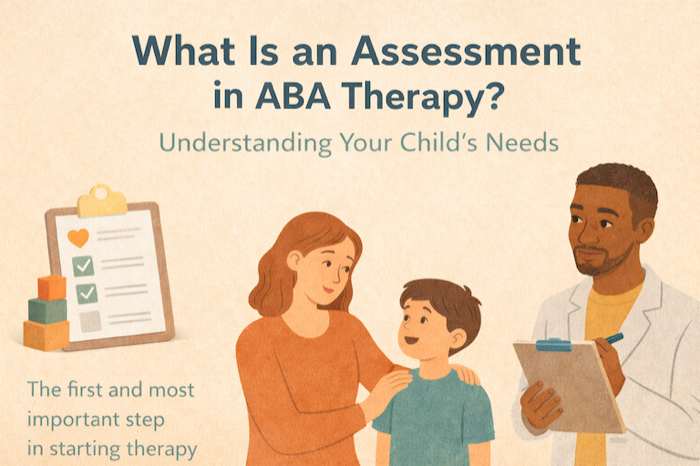
In Applied Behavior Analysis (ABA), the assessment — also called the initial evaluation — is the first and most important step before starting therapy.
It is not a test your child “passes or fails.” It is a guided process of observation and understanding that helps the clinical team learn:
- How your child communicates
- How they play and interact
- What skills they already have
- Which areas need support
- What motivates them most
At BH Field, we begin every treatment plan with a thorough assessment to understand each child as an individual — not as a checklist of behaviors.
💬 A good assessment tells us who your child is, not just what they can do.
Why Is the Assessment So Important?
A strong assessment ensures that therapy is personalized, meaningful, and effective. Without it, a child may receive goals or strategies that don’t match their real needs.
With a proper assessment, the ABA team can:
- Identify current strengths and emerging skills
- Set realistic, measurable goals
- Design a customized treatment plan
- Understand the root of challenging behaviors
- Track progress with accuracy and confidence
In short: assessment is the roadmap, and therapy is the journey that follows.
Common Types of Assessments Used in ABA
At BH Field, we select assessment tools based on your child’s age, stage, and unique needs. Some of the most commonly used tools include:
1. VB-MAPP (Verbal Behavior Milestones Assessment and Placement Program)
Evaluates language, learning readiness, social play, and communication.
2. ABLLS-R (Assessment of Basic Language and Learning Skills)
Helps identify goals in language, motor skills, cognition, and self-help routines.
3. AFLS (Assessment of Functional Living Skills)
Focuses on independence: dressing, feeding, hygiene, community skills, and home routines.
4. Functional Behavior Assessment (FBA)
Analyzes the reason behind challenging behaviors to create safer, more effective strategies.
Each assessment has a purpose, and together they help us create a treatment plan that truly matches your child’s needs.
Assessments Are Not Just the Beginning
An assessment isn’t something that happens once. It’s an ongoing process. Children grow, learn, and change — and their goals should change with them.
At BH Field, we conduct regular re-evaluations to:
- Update goals
- Adjust therapy intensity
- Celebrate what your child has achieved
- Create new challenges and opportunities
- Ensure the treatment stays relevant and effective
Evaluations are like snapshots of your child’s development — each one tells part of their story.
🌱 Every assessment helps us see how far your child has come and where they’re ready to go next.
How Parents Play an Essential Role
Parents know their child better than anyone. Your insights, observations, and everyday experiences matter deeply.
You help us understand:
- What your child enjoys
- What frustrates them
- How they respond to routines
- What motivates them
- How they communicate at home
That’s why at BH Field, parents are part of the assessment process from day one — through conversations, questionnaires, and shared moments that help us build a complete picture.
Together, we create a plan that works not only in therapy sessions, but in real life: at home, in school, and in the community.
Conclusion: Assessment Is the Foundation of Progress
Assessment is not just paperwork; it’s the foundation of meaningful intervention. It allows ABA therapy to be:
- Personalized
- Flexible
- Measurable
- Family-centered
- Truly effective
Without assessment, there is no clear direction — and no reliable way to track success. With it, every step your child takes becomes intentional, supported, and celebrated.
At BH Field, we see assessment as an opportunity to understand your child’s world and guide them toward independence, communication, and confidence.
Find support for your child
Complete our questionnaire to know the next steps you can take to help your child succeed.