Surviving & Thriving as a First-Time RBT
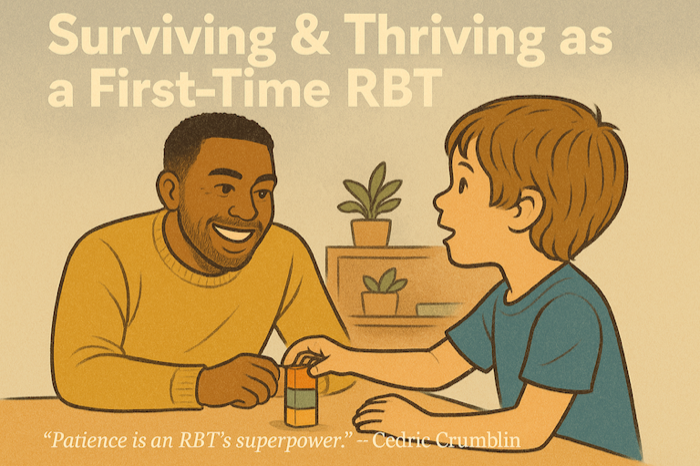
My name is Cedric Crumblin, and with three years of experience — currently serving as the RBT Coordinator at Behavioral Health Field — I’ve completed an extensive go-to guide on becoming the best RBT you can be.
Working as a Registered Behavior Technician (RBT) is a deeply meaningful and rewarding calling. Each day, RBTs help children build essential skills, support families through challenges, and contribute to life-changing progress. To do this well, an RBT must be prepared, adaptable, and grounded in the professional expectations of the field.
My first tip for all RBTs is to ensure your BCBA has listed you in the BACB system and that your competency assessment for renewal is up to date — this prevents unnecessary lapses in service delivery if your certification becomes inactive.
“If they can’t learn the way we teach, we teach the way they learn.” — Dr. Ivar Lovaas
This quote reflects exactly what it means to serve as an RBT: meeting each child where they are and helping them grow.
Understanding the Realities of the RBT Experience
1. Commuting Time and Punctuality
Consistency is the backbone of progress in ABA therapy. Arriving on time allows sessions to begin smoothly and supports a stable routine for the child. The BACB Ethical Code (2022) states:
“Providers must uphold commitments to clients by being on time, prepared, and dependable.” Punctuality is more than professionalism — it’s a service to the client.
2. Working With Diverse Families
RBTs enter homes from many cultures, traditions, and communication styles. Respect for these differences promotes trust and collaboration. As noted by Cooper, Heron, & Heward (2020):
“Culturally responsive practice is essential to the successful delivery of behavior-analytic services.” Flexibility and humility go a long way in building positive relationships.
3. Supporting Children With Varying Profiles
You’ll meet children who are vocal, nonvocal, energetic, reserved, or exhibit high rates of maladaptive behaviors. Each profile calls for patience and a tailored approach. Lovaas (2003) reminds us:
“Behavior is learned, and it can be changed with the right teaching.” Your presence and creativity make that learning possible.
4. Adapting to Supervisor Styles
Whether your supervisor is hands-on or more independent, each provides a chance to learn. The BACB (2022) emphasizes:
“RBTs are expected to follow the direction of their supervisors and seek clarification when needed.” Openness strengthens your professionalism.
5. The RBT Tote Bag: Your Toolkit
A prepared RBT often carries:
- Reinforcers and toys
- Visual supports
- Gloves, wipes, and hygiene supplies
- Extra materials for unexpected needs
Organization helps sessions flow smoothly and supports crisis prevention.
Essential Skills Every Strong RBT Should Build
1. Reliability
Families depend on consistency. Reliability builds trust and ensures clients receive the care they deserve. Cooper et al. (2020) highlight:
“Consistency in implementation is critical to treatment effectiveness.”
2. Openness to Feedback
ABA is built on continuous learning. Feedback isn’t criticism — it’s a path to growth. Skinner (1974) reminds us:
“Education is the process of arranging contingencies of reinforcement.” Feedback is one of those contingencies.
3. Accountability
RBTs must meet standards set by:
- The BACB
- Their employer
- Ethical guidelines
- Insurance and documentation requirements
“RBTs are responsible for maintaining records and completing documentation honestly and accurately.” — BACB (2022)
4. Time Management
Balancing sessions, notes, deadlines, and self-care takes discipline. Managing time reduces stress and increases quality of care.
5. Attention to Detail
Small details matter — data accuracy, session notes, and clear communication guide treatment decisions.
“Data-based decision making is central to behavior analysis.” — Cooper et al. (2020)
6. Staying Up to Date on Certification Requirements
Renewals, background checks, and competency assessments should be tracked year-round.
“RBTs must maintain active certification by fulfilling all renewal requirements.” — BACB (2022)
7. Strong Soft Skills
Many caregivers are stressed or uncertain. Calm communication, empathy, and professionalism create trust. Carl Rogers (1980) said:
“When someone really hears you… it is like giving them emotional oxygen.” Families often need that oxygen.
“Patience is an RBT’s superpower.” — Cedric Crumblin
Final Thoughts
Being an RBT requires heart, discipline, and humility.
You are entering homes, shaping learning, and helping children build brighter futures. With preparation and the right mindset, you have the opportunity to make a true and lasting impact.
By Cedric Crumblin RBT Coordinator at BH Field 😊
References
- BACB. (2022). Ethics Code for Behavior Analysts. Behavior Analyst Certification Board.
- Cooper, J. O., Heron, T. E., & Heward, W. L. (2020). Applied Behavior Analysis (3rd ed.). Pearson.
- Lovaas, O. I. (2003). Teaching Individuals with Developmental Delays. Pro-Ed.
- Rogers, C. (1980). A Way of Being. Houghton Mifflin.
- Skinner, B. F. (1974). About Behaviorism. Knopf.
Find support for your child
Complete our questionnaire to know the next steps you can take to help your child succeed.